
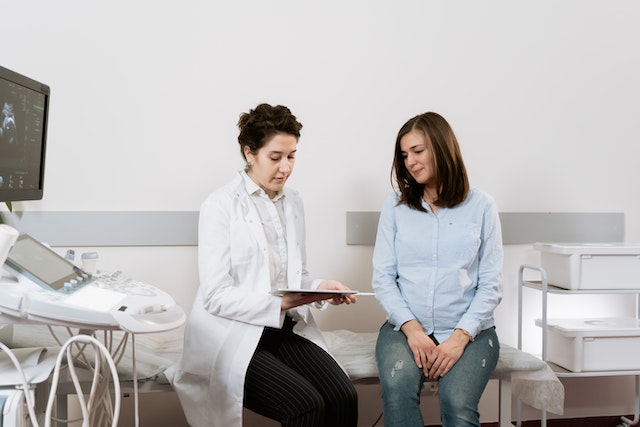
In the ever-evolving healthcare landscape, Federally Qualified Health Centers (FQHCs) serve as necessary providers of affordable care to underserved communities. These centers face unique challenges that differ significantly from larger hospitals or private healthcare practices. The operational, regulatory, and budgetary constraints that community health centers face demand specialized IT support to help streamline their services and remain compliant with healthcare laws.
The Unique Challenges Faced by Community Health Centers
Unlike large hospitals or private practices, community health providers operate with tight budgets, which makes generic IT services insufficient. To continue offering comprehensive care without compromising on quality, these health centers require technology that is designed with their specific needs in mind.
1. Regulatory Compliance
One of the main challenges faced by health centers receiving federal funding is maintaining compliance with federal regulations, such as HIPAA and guidelines set by the Health Resources and Services Administration (HRSA). These regulations govern everything from patient data protection to reporting requirements. Community health centers must ensure that their IT systems are fully equipped to handle the sensitive data they manage while meeting regulatory standards.
Generic IT solutions might not be equipped to meet the specific compliance needs of these facilities. This is where specialized IT support plays a crucial role in ensuring that systems are up to date and meet all regulatory requirements.
2. Budget Constraints
Operating with limited financial resources is a common issue for community-based healthcare facilities. Most FQHCs depend on federal grants, Medicaid reimbursements, and other limited sources of funding. As a result, these centers need affordable, scalable IT services that can support their daily operations without breaking their budgets.
Customized IT solutions for health centers allow these facilities to optimize their operations while ensuring that their technology investment is sustainable and aligned with their available resources. These tailored solutions allow for growth without incurring unnecessary expenses.
3. Operational Efficiency
Efficient operations are crucial for primary care health centers that provide a range of services, including medical, dental, and mental health care. The complexity of handling patient information, appointments, billing, and records demands a robust IT infrastructure.
Many community health providers struggle with using generic technology that doesn’t meet the specific needs of their clinics. Tailored IT support can integrate all aspects of a health center’s operations, from scheduling to patient care coordination, ensuring that staff members can focus on delivering care instead of struggling with inefficient systems.
How Tailored IT Support Helps Health Centers
.webp) Given the unique operational, financial, and regulatory demands on community-based healthcare facilities, customized IT support is essential. Here are the main benefits of healthcare IT support tailored specifically for community health providers:
Given the unique operational, financial, and regulatory demands on community-based healthcare facilities, customized IT support is essential. Here are the main benefits of healthcare IT support tailored specifically for community health providers:
